 Nurturing maths awesomeness
Schools can reduce maths anxiety by creating psychologically safe learning environments where mistakes are treated as part of learning rather than failure. This includes reducing time pressure, avoiding public comparison, providing structured practice, and giving pupils opportunities to rebuild confidence step by step. Digital tools can help when they remove competition and focus on calm, mastery-based progression. Consistent routines, clear explanations and low-stakes retrieval practice also reduce stress. Platforms like 0maths are designed specifically to lower pressure while strengthening core understanding, helping anxious learners re-engage without fear.
See also our CALL Scotland maths anxiety webinar
Maths anxiety often develops from repeated experiences of confusion, time pressure, public comparison or feeling “behind.” Early gaps in number sense can compound over time, leading to avoidance and reduced confidence. High-stakes testing, fast-paced lessons and competitive reward systems can also increase anxiety for some learners. For neurodivergent pupils, cognitive overload and unpredictable tasks may heighten stress. Understanding these causes allows schools to design calmer, structured approaches that rebuild confidence gradually rather than intensifying pressure.
Teachers can build maths confidence by prioritising clarity, structured progression and regular low-stakes practice. Breaking concepts into manageable steps, revisiting core skills frequently and giving immediate feedback all help pupils experience success. Encouraging mistakes as learning opportunities and avoiding public ranking or speed-based competition can also improve confidence. Digital practice tools can reinforce skills privately, allowing pupils to strengthen understanding without social pressure.
A low-pressure approach to maths learning removes unnecessary stressors such as timed drills, public leaderboards and excessive cognitive load. Instead, it focuses on mastery, repetition, clear modelling and steady progression. Pupils practise at an appropriate level, receive immediate feedback, and build fluency without feeling rushed or compared. This approach is particularly beneficial for anxious or SEND learners, but supports all pupils in developing secure foundations.
Pupils who fear mistakes need environments where errors are normalised and analysed constructively. Teachers can model mistake-making, and provide private practice opportunities.
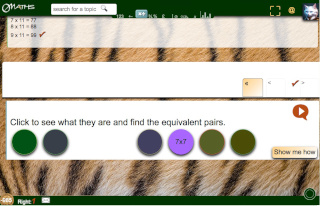
0maths provides a virtual maths sandbox where right answers are matked the instant they're right and wrong answers are left to be worked on, without comment. This takes fear of making mistakes (technically known as atychiphobia) off the table; there are no mistakes, just correct answers and answers that are still being worked on.
This approach is beneficial for all: nobody learns the implicit "you can't do maths" foom a low score, difficult questions need more time spent on them. Besides, it's a myth that anyone learns by mistakes; we learn by getting things right.
Digital tools can reduce maths anxiety when they are designed to support mastery rather than competition. Calm interfaces, clear progression, no wrong answers and immediate rewards allow pupils to practise independently without embarrassment. However, highly gamified or speed-focused systems may increase stress for some learners. The key is thoughtful design that prioritises psychological safety and structured repetition.
Rewards have to be carefully designed, or they actually reduce engagement. The emphasis should be on encouraging a learning orientation instead of a performance orientation. The reward system on 0maths is non-comparative and provides incentives for taking small steps between topics.
Psychologically safe maths practice allows pupils to attempt questions without fear of public failure. It includes clear instructions, manageable steps, immediate positive reinforcement, and opportunities to retry. There is no public ranking or comparison, and mistakes are treated as informative rather than punitive. This environment encourages persistence and gradual confidence-building.
Reluctant learners often need early success experiences to rebuild trust in the subject. Starting slightly below perceived level to secure foundational skills can quickly improve confidence. Short, structured practice sessions with clear progress markers help pupils see improvement. Removing performance pressure and focusing on small wins encourages gradual re-engagement.
Question format should not undermine their self-worth. Giving a 12 year old work sheets designed for 5 years olds is patronising and should be avoided. They will be primed to confirm their perception that they are bad at maths and they should be rewarded for eventual success - if they answered 10 questions, got 1 right at the first attempt and 9 right after self-correcting errors, then it's honest to tell them they got 10/10. Footballers are not judged for every touch of the ball that misses the goal.
Pupils with autism often benefit from predictable routines, clear visual structure, reduced sensory distraction and explicit instruction. Step-by-step progression and consistent formatting reduce cognitive load. Digital tools that avoid unnecessary animation or competition can create calmer learning experiences. Structured repetition and immediate feedback support secure understanding.
 Inclusive maths teaching involves clear modelling, scaffolded progression, multiple representations and flexible pacing. Reducing unnecessary complexity, offering visual supports and providing low-stakes practice helps a wide range of learners succeed. Technology can assist by offering differentiated tasks without singling pupils out.
Maths anxiety is 4 times more prevalent in children from deprived backgrounds - lowering maths anxiety should be seen as central to any policy on inclusion.
An inclusive maths platform supports varied learning needs without requiring separate systems. It offers structured progression, calm design, adaptive difficulty and accessible language. It should reduce comparison and provide meaningful feedback while aligning with curriculum expectations.
Cognitive overload can be reduced by breaking tasks into smaller steps, limiting simultaneous new information, and using consistent formats. Clear worked examples followed by guided practice help pupils focus on one concept at a time. Digital practice that reinforces one skill per session can further reduce overload.
 Effective dyscalculia support focuses on strengthening number sense through structured, repetitive practice and visual representations of questions. Intervention should be incremental, with frequent feedback and opportunities for overlearning. Calm, distraction-free environments are particularly important.
Maths anxiety is often taken for dysaclculia; the difference is that maths anxiety only impacts tasks requiring working memory. Frequent exposure to tasks such as number line placement and subitising (which genuinely dyscalculic students will find difficult) can be beneficial
 Pupils with ADHD benefit from dopamine based gamification - where rewards are given for right steps. Reducing unnecessary visual distraction and providing structured routines helps maintain focus. Digital tools can support self-paced engagement when designed thoughtfully.
It is important that students with dyslexia have access to any tools that help them - including special fonts, place value sizing, and physical or virtual manipulatives.
SEND-friendly maths software should include clear layouts, predictable structure, minimal distraction, scaffolded progression, and immediate feedback. It should avoid excessive animation, timed pressure and public comparison, while aligning with curriculum standards.
Technology can provide private, repeatable practice with immediate positive feedback and minimal social pressure. Structured progression allows pupils to consolidate foundations before moving on. When designed calmly and predictably, digital tools can support both confidence and attainment.
Schools can reduce maths workload by automating marking, simplifying reporting, and using structured practice systems that require minimal preparation. Digital platforms that track progress automatically and generate intervention insights can significantly reduce planning and marking time. Clear alignment with curriculum objectives also reduces duplication of effort.
Automated marking systems reduce time spent checking routine practice. Immediate and targetted digital feedback allows pupils to self-correct, meaning teachers focus on misconceptions rather than every individual response. Structured question banks further reduce planning time.
Effective tools provide clear dashboards, objective-linked tracking and simple reporting formats. Gaps and misconceptions can be highlighted automatically .
0Maths allows teachers to assign tasks in seconds and monitor completion automatically. Clear progress report, instant marking, highlighting of misconceptions, SEND and gaps reduce follow-up workload while maintaining accountability.
Differentiation can be automated through adaptive difficulty systems that respond to pupil performance. Structured progression ensures learners practise at the right level without requiring multiple manual worksheets.
Time-saving maths software automates marking, tracks progress against curriculum objectives, and reduces planning through structured question banks. It should integrate easily into existing classroom routines.
Clear visual dashboards reduce manual data collation and support intervention decisions.
Intervention can be streamlined through structured digital practice. Automated tracking and even automated assignments reduce administrative burden while allowing targeted support.
Closing gaps in maths attainment requires accurate identification of foundational weaknesses followed by structured, incremental practice. Revisiting prerequisite knowledge, providing frequent feedback and allowing sufficient repetition are key. Schools often see stronger outcomes when intervention is calm, mastery-focused and aligned directly with curriculum objectives rather than disconnected worksheets.
Effective maths catch-up support prioritises core skills such as number fluency, place value and proportional reasoning. Short, consistent practice sessions are more impactful than occasional intensive blocks. Catch-up is most successful when it rebuilds confidence first, ensuring pupils experience success before tackling higher-level material.
Pupils who are behind often need structured revision of foundational concepts rather than simply more exposure to current content. Diagnostic assessment, targeted practice and regular review help rebuild understanding step by step. Calm environments and achievable milestones encourage sustained engagement.
Effective targeted intervention begins with clear identification of gaps and delivers focused practice on specific objectives. It should be time-efficient, measurable and integrated into normal classroom routines where possible. Digital tools can support this by tracking progress automatically and adapting difficulty as pupils improve.
Improving GCSE maths confidence involves strengthening underlying skills while reducing exam-related pressure. Regular retrieval practice, structured revision and incremental challenge help pupils experience progress. Confidence grows when learners feel secure with core methods and are not overwhelmed by exam-style complexity too early.
Maths fluency develops through frequent, low-stakes repetition of core skills with immediate feedback. Removing time pressure and public comparison allows pupils to focus on accuracy and understanding. Consistent short practice sessions are often more effective than high-pressure timed drills.
Technology can support mastery by enabling structured repetition, immediate feedback and adaptive progression. Pupils consolidate understanding before moving forward, reducing superficial learning. Digital tracking allows teachers to identify when mastery has been achieved and where further support is needed.
Implementation is straightforward, with minimal setup time, clear onboarding guidance and friendly, human support. We can integrate into your existing classroom routines and lesson plans or provide self-guided practice. Simple teacher dashboards and intuitive pupil interfaces reduce training requirements.
0maths offers simple, intuitive tracking and combines answer data for misconceptions, inefficient strategies, and additional support needs.
Maths software should complement rather than disrupt existing planning. Curriculum mapping, flexible assignment options and objective-linked reporting allow teachers to integrate digital practice alongside classroom instruction. Consistency in terminology and sequencing supports smooth integration.
Alternatives to competitive maths platforms focus on mastery, structured progression and psychological safety rather than leaderboards or speed-based rewards. These approaches prioritise long-term confidence and secure understanding, particularly for anxious or SEND learners.
Suitable maths software for anxious learners should remove time pressure, avoid public comparison and provide immediate, supportive feedback. Calm design, predictable structure and incremental progression help rebuild confidence while strengthening core skills. 0maths is the leading maths-anxiety focussed maths practice platform.
An inclusive maths platform supports a wide range of abilities within the same system. It offers structured differentiation, accessible language and minimal cognitive overload. Inclusive design ensures that anxious, neurodivergent and struggling learners can participate confidently alongside their peers.
Students should not be encouraged to compare abilities. It also stands to reason that platforms that maximise the amount of maths done in a time frame would be most beneficial. This should involve: minimal non-maths tasks, no pupil stuck, maximum engagement and only intrinsic rewards.
Talk to us - we'll provide the biggest impact for th eleast money.
Schools typically compare platforms based on curriculum alignment, impact evidence, teacher workload, inclusivity and cost. We can offer trial access and pilot studies before committing long term.
Thoughtless gamification often increases cognitive load, reduces working memory and puts pupils onto a performance mindset instead of a leanring mindset.
Done right, gamification in maths software reduces distraction and performance pressure, allowing pupils to focus on understanding rather than rewards. This approach can particularly benefit anxious learners while still supporting steady progress and skill development.



© Copyright 2020-2026 Influenca Ltd
© Copyright Influenca Ltd 2020 - 2026